• Asthma Flare-Ups: Can Urgent Care Help?

    Asthma Flare-Ups: Can Urgent Care Help?

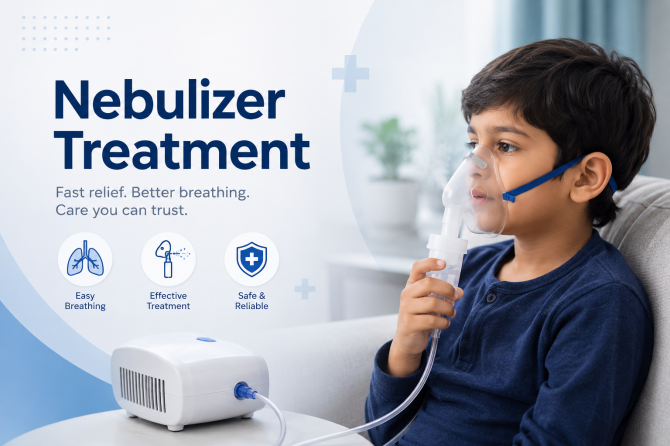
    Yes. Urgent care can treat mild to moderate asthma flare-ups with nebulizer breathing treatments, steroids and a follow-up plan. Come in if your rescue inhaler helps only briefly or you need it more often than usual. Call 911 or go to the ER if you’re struggling to breathe, can’t speak in full sentences, your lips or fingernails look blue or gray, or your rescue inhaler isn’t helping.

    Read more


  • Dehydration, Vomiting & Diarrhea: When to Get Help

    Dehydration, Vomiting & Diarrhea: When to Get Help

    Go to urgent care if vomiting or diarrhea keeps you from holding down fluids for more than several hours, or if you have signs of dehydration like dizziness, very dark urine or urinating much less than usual. Urgent care can give IV fluids and anti-nausea medicine. Go to the ER for blood in vomit or stool, severe belly pain, confusion, fainting, or a baby with very few wet diapers.

    Read more
  • Burns & Back Pain: When to Go to Urgent Care

    Burns & Back Pain: When to Go to Urgent Care

    Urgent care can treat sudden back pain from a strain, lifting injury or minor fall, and minor burns smaller than about 3 inches, including many second-degree burns with blisters. Go to the ER for back pain with leg weakness, numbness in the groin, or loss of bladder or bowel control, and for large or deep burns, or burns to the face, hands, feet, groin or major joints.

    Read more
  • Allergic Reactions, Rashes & Bites: Urgent Care or ER?

    Allergic Reactions, Rashes & Bites: Urgent Care or ER?

    Urgent care can treat hives, mild allergic reactions, itchy or spreading rashes, infected bug bites, tick bites, and minor animal bites. Call 911 or go to the ER for signs of anaphylaxis, including swelling of the lips, tongue or throat, trouble breathing, wheezing, dizziness or fainting, or vomiting after a food, sting or medicine. If you have an epinephrine auto-injector, use it and call 911.

    Read more
  • Fever in Children: When to Go to Urgent Care or the ER

    Fever in Children: When to Go to Urgent Care or the ER

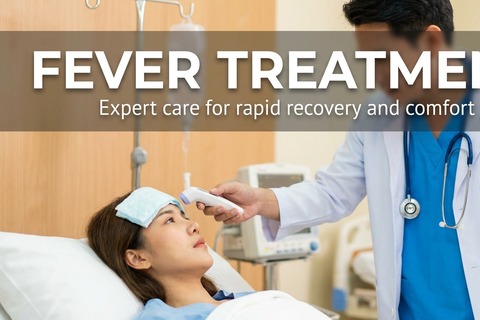
    A fever is a temperature of 100.4°F (38°C) or higher. Go to the ER right away for any fever in a baby younger than 3 months. For older babies and children, urgent care is a good choice for a fever that lasts more than 2 to 3 days, comes with ear pain, sore throat, painful urination or a rash, or a child who seems unwell. Go to the ER for trouble breathing, a seizure, a stiff neck, unusual sleepiness or signs of dehydration.

    Read more
  • Sinus Infection or Sore Throat? When Urgent Care Helps

    Sinus Infection or Sore Throat? When Urgent Care Helps

    See urgent care for a sore throat with fever and no cough (a possible sign of strep), sinus symptoms that last more than 10 days, symptoms that get better and then worse again, or a high fever. Most sinus infections and sore throats are caused by viruses and get better on their own. Go to the ER for trouble breathing or swallowing, drooling, or a muffled voice with severe throat pain.

    Read more
  • Pink Eye & Ear Infections: When to Go to Urgent Care

    Pink Eye & Ear Infections: When to Go to Urgent Care

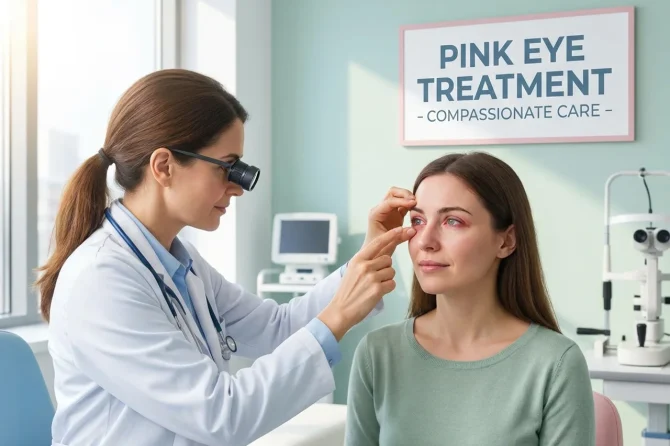
    Urgent care can diagnose and treat both pink eye (conjunctivitis) and ear infections in one visit, for adults and children. Go to urgent care for eye redness with discharge, ear pain, or pain with fever. Go to the ER for sudden vision loss, severe eye pain, an eye injury, or ear pain with a stiff neck, confusion or swelling behind the ear.

    Read more
  • Should I Go to Urgent Care for a UTI? Symptoms, Testing & Treatment

    Should I Go to Urgent Care for a UTI? Symptoms, Testing & Treatment

    Yes. Urgent care is a good place to go for a urinary tract infection (UTI). Providers can test your urine on site, diagnose a UTI in one visit and prescribe antibiotics if you need them. Go to the ER instead if you have a high fever, shaking chills, vomiting, or pain in your back or side, which can be signs of a kidney infection.

    Read more
  • Urgent Care vs. Primary Care vs. Telehealth: Which Should You Choose?

    Urgent Care vs. Primary Care vs. Telehealth: Which Should You Choose?

    Use urgent care when you need an in-person exam, test or treatment today, such as for a sprain, cut, sore throat or suspected infection. Use primary care for checkups, ongoing conditions and anything that can wait a few days. Use telehealth for simple problems a provider can assess by video, like many colds, allergies, rashes and prescription questions. Use the ER for emergencies.

    Read more
  • When to Take Your Child to Urgent Care vs. the ER or Pediatrician

    When to Take Your Child to Urgent Care vs. the ER or Pediatrician

    Take your child to urgent care for problems that need attention today but aren’t life-threatening, such as fever in children over 3 months, ear pain, sore throat, pink eye, mild asthma symptoms, rashes, minor cuts and sprains. Go to the ER or call 911 for a fever of 100.4°F or higher in a baby under 3 months, trouble breathing, a seizure, unusual sleepiness or confusion, signs of severe dehydration, or a serious injury.

    Read more

Photostream

    error: Content is protected !!