
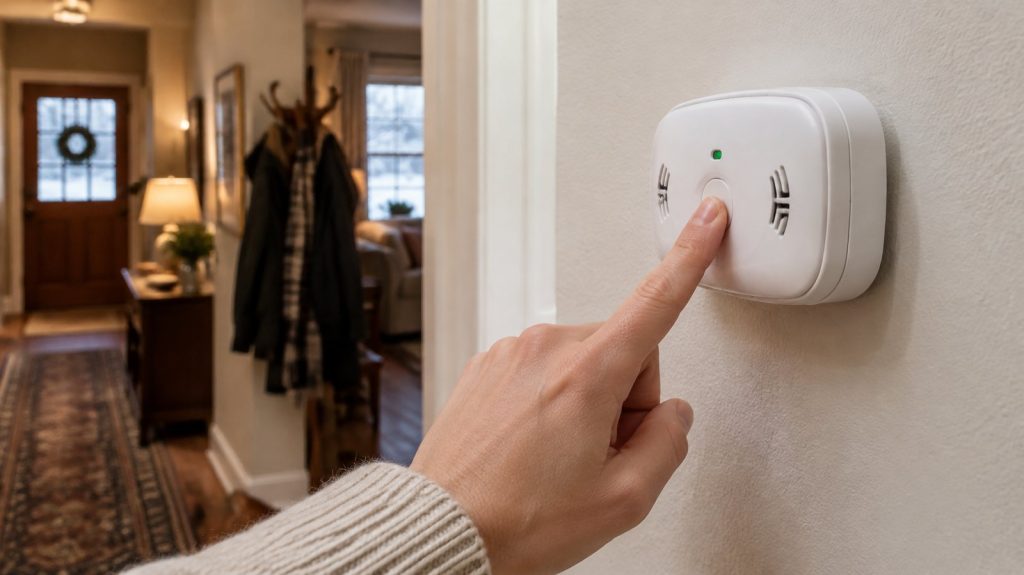
Quick answer: Carbon monoxide (CO) poisoning causes headache, dizziness, weakness, nausea and confusion, symptoms that are easy to mistake for the flu. Clues that point to CO instead: no fever, several people or pets in the home feeling sick at the same time, and feeling better when you leave the house. If you suspect CO, get everyone outside into fresh air right away and call 911. Don’t go back inside until the fire department says it’s safe.
Carbon monoxide poisoning is most common in winter, when furnaces, space heaters, fireplaces and generators are running and windows are shut. Because you can’t see, smell or taste CO, knowing the signs can save a life.
What is carbon monoxide?
Carbon monoxide is a gas made whenever fuel is burned, including in furnaces, gas stoves, water heaters, fireplaces, wood stoves, generators, cars and grills. When it builds up indoors, it replaces the oxygen in your blood. That starves your brain, heart and other organs of oxygen.
Carbon monoxide poisoning symptoms
- Headache (the most common symptom)
- Dizziness or lightheadedness
- Weakness and tiredness
- Nausea or vomiting
- Chest pain or shortness of breath
- Confusion, blurred vision or trouble thinking
- Passing out, especially at high levels
People who are sleeping or have been drinking can die from CO before they notice any symptoms.
Carbon monoxide or the flu? How to tell
| Carbon monoxide | Flu | |
|---|---|---|
| Fever | No | Usually yes |
| Body aches, sore throat, cough | Usually not | Common |
| Others in the home sick at once | Often, including pets | Possible, but spreads over days |
| Feel better away from home | Yes | No |
| Worse when heat or appliances run | Yes | No |
If your symptoms match the flu, see flu symptoms day by day. If anything in the CO column sounds familiar, treat it as an emergency.
What to do if you suspect carbon monoxide
- Get everyone out into fresh air right away, including pets.
- Call 911 from outside.
- Don’t go back in until the fire department or a qualified technician says it’s safe.
- Get medical care, even if you start to feel better. CO poisoning is treated with oxygen, usually in an emergency room.
CO poisoning is an emergency for the ER, not urgent care.
How to prevent carbon monoxide poisoning
- Install CO detectors on every level of your home and near sleeping areas. Test them monthly and replace batteries twice a year.
- Have your furnace, water heater and any gas, oil or coal appliances checked by a professional every year.
- Never run a generator inside your home, garage, basement or crawl space, or near open windows or doors. Keep it at least 20 feet from the house.
- Never use a gas oven or stove to heat your home.
- Never use a charcoal grill or camp stove indoors.
- Don’t leave a car running in an attached garage, even with the garage door open.
- Clear snow away from dryer, furnace and fireplace vents after a storm.
Frequently asked questions
Can carbon monoxide poisoning feel like a hangover?
Yes. A headache, nausea and grogginess in the morning that improve after you leave home can be a sign of CO.
Who is most at risk?
Babies, pregnant people, older adults and people with heart or lung disease. Pets often show signs first.
Can urgent care treat carbon monoxide poisoning?
No. Suspected CO poisoning needs emergency care. Call 911 or go to the nearest ER.
Where can I learn more?
See carbon monoxide poisoning prevention tips from the CDC.
Get care today at PACS Urgent Care
For the flu and other everyday illnesses, walk in or check in online at our Alexandria urgent care (3481 N Beauregard St, open 7 days, 8 AM to 8 PM) or our Ruther Glen urgent care (17067 Merchants Dr, Monday to Friday 8 AM to 8 PM, Saturday and Sunday 9 AM to 5 PM). For suspected carbon monoxide poisoning, always call 911.
This article is general information and is not a substitute for advice from your own clinician.


